Hypertension
Keep an eye on your blood pressure
Almost half of American adults have hypertension (source). This includes people who don’t know they have it, young adults, and even people who seem otherwise healthy.
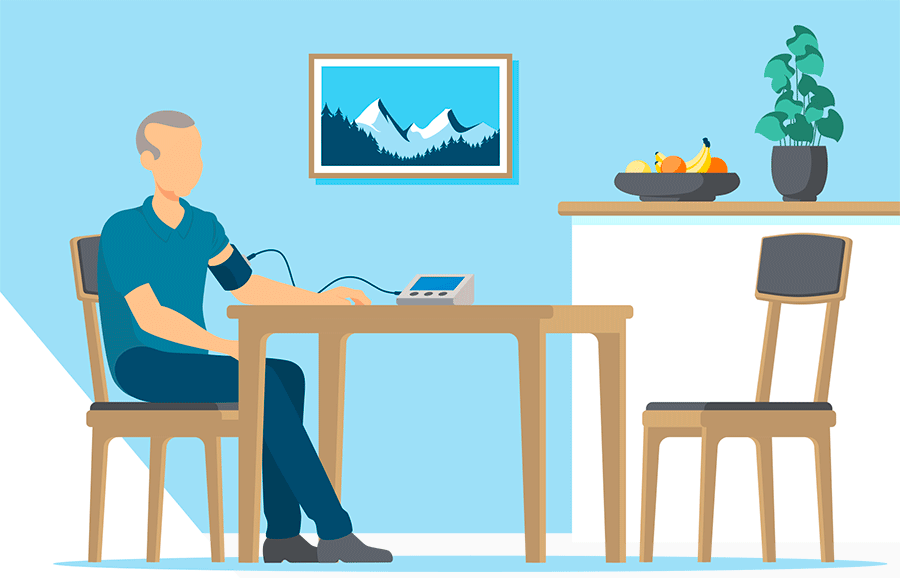
Hypertension, commonly called high blood pressure, is known as the “silent killer.” It doesn’t have obvious symptoms, so many people don’t know they have it. Left untreated, high blood pressure can lead to life-threatening events, such as stroke, heart attack, and kidney failure.
Causes of high blood pressure
Risk factors for high blood pressure are varied.
Some contributing factors are out of our control:
- Family history
- Race
- Age
- Gender
Other contributing factors are in our control:
- Activity level
- Alcohol use
- Food choices
- Stress level
- Tobacco use
- Weight
Take control of your blood pressure
Use these 6 tips to achieve or maintain a healthy blood pressure:
- Know your blood pressure and work with your healthcare provider.
- Reduce unhealthy drinking and stop smoking. Women should stick to no more than one alcoholic drink a day. Men should stick to no more than two drinks a day.
- Find ways to reduce stress.
- Eat a diet rich in fruits and vegetables, whole grains, and foods low in salt. Ideally, keep salt intake under 1,500 mg a day.
- Exercise and find other ways to stay active.
- Maintain a healthy weight. If you’re overweight, losing weight can help reduce your blood pressure.
Managing hypertension? Your Premera health plan is here for you.
All plans offer:
Blood pressure medication, if prescribed by your provider.
Most plans offer:
Nutritional counseling to help manage high blood pressure. Ask your provider for recommendations.
Blood pressure reading
Blood pressure is always given as two numbers.
- Systolic pressure, the top (and higher) number, refers to the pressure of blood in the artery when the heart pumps.
- Diastolic pressure, the bottom (and lower) number, refers to the pressure of blood in the artery when the heart relaxes between beats.
If your blood pressure reading is 120/80, you say it is “120 over 80.”
What the numbers mean
| Blood pressure category | Systolic mm Hg (upper number) | Diastolic mm Hg (lower number) | |
|---|---|---|---|
| Normal | Less than 120 | and | Less than 80 |
| Elevated | 120-129 | and | Less than 80 |
| High blood pressure (hypertension) stage 1 | 130-139 | or | 80-89 |
| High blood pressure (hypertension) stage 2 | 140 or higher | or | 90 or higher |
| Hypertensive crisis (consult your doctor immediately) | Higher than 180 | and/or | Higher than 120 |
Where to get your blood pressure checked
With so many places to monitor your blood pressure, there’s no reason to let the silent killer sneak up on you. You can get your blood pressure checked at these locations:
- At your primary care provider’s office
- At a pharmacy with a digital blood pressure measurement machine
- At home with a home blood pressure monitor
Resources
Find out more about managing high blood pressure with these resources:
Get quality primary care
Premera is committed to providing quality healthcare coverage so you can live your best life. Access to affordable, whole-person, primary care.