

ER, Urgent, or Virtual Care: When to Go Where
Premera Blue Cross health plan members have access to a variety of levels for care. To get the best care possible, and at the lowest cost to you, know which level to use and when to use them.

Where to go for care
Getting the right care at the right place could save you $2,800 compared to an emergency room (ER) visit.*
Need care but not sure where to go?
24-Hour NurseLine is FREE.
The severity of your situation can dictate your best healthcare option, including treating yourself at home. Call a nurse for expert guidance if you’re not sure where to go. Call the 24-Hour NurseLine at 855-429-7236.
 |
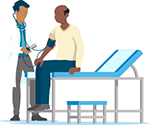 |
 |
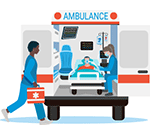 |
|
| Medical issue | 24/7 virtual visits | Primary care provider (PCP) | Urgent care | Emergency room |
|---|---|---|---|---|
| Talk to a healthcare provider by video or text. Download the Premera mobile app to find virtual care options. | The provider who knows your medical needs and history best. Find an in-network PCP. | Same-day care for non-emergency conditions. Find an in-network urgent care clinic. | The ER is reserved for life-threatening emergencies requiring immediate medical attention. | |
| Average cost* | HSA: $45 | HRA/EPO: FREE | $165 | $200 | $3,000 |
| Allergies | included | included | ||
| Bladder infection/UTI | included | included | included | |
| Broken bone | included | included | ||
| Bronchitis | included | included | included | |
| Chest pain | included | |||
| Cough | included | included | ||
| COVID-19 symptoms | included | included | included | |
| Earache | included | included | ||
| Fever | included | included | included | |
| Flu/common cold | included | included | ||
| Joint pain | included | included | ||
| Migraine/headache | included | included | included | |
| Muscle ache/sprain/strain | included | included | included | |
| Pinkeye | included | included | ||
| Shortness of breath | included | included | ||
| Sinus infection | included | included | ||
| Skin rash | included | included | ||
| Sore throat | included | included | ||
| Stomach pain (nausea, vomiting, diarrhea) |
included | included | included | |
| Yeast infection | included | included |
*Actual costs may vary depending upon benefit coverage. The estimated $2,800 savings is between the average emergency room visit and the average urgent care visit. The information and estimates provided are for illustrative purposes only and are not intended as medical advice or a substitute for your healthcare provider’s care. You should consult with a healthcare professional to determine what may be right for you. If you are experiencing a medical emergency, always go to the nearest emergency room or call 911.
Still unsure? Call 24-Hour NurseLine
If you don't believe you have a need for emergency care, you can think about what's most important to you on a case-by-case basis. Sometimes, convenience and speed might drive your decision. In other cases, the cost of care matters most. And in some cases, you may believe it's better to see a health professional who knows you and your history.
Call 855-429-7236.
You can always find the number on the back of your Premera ID card.

First stop for non-emergency care: Primary care
Your primary care provider has the advantage of knowing your health and medicine history. Your doctor may know about your health habits, such as diet and exercise. Your doctor often knows your home, work, and family situation. But the office location or hours may not always work for you. And your doctor may not provide care for something urgent like broken bones or stitches.
To find an in-network PCP, use the Find Care search tool.
Next option: Can’t get a primary care appointment? You have more care options

Virtual care 24/7
Medical care from board-certified providers from Transcarent. Think of virtual care as a convenient way to get care without leaving your home when you can’t get in to see your PCP.

Urgent care: clinics or in-home care
Urgent care centers offer same-day care when your primary care provider (PCP) is unavailable. They typically offer walk-in visits or may accept appointments.
Search for in-network urgent care centers near you in the Find a Doctor tool.
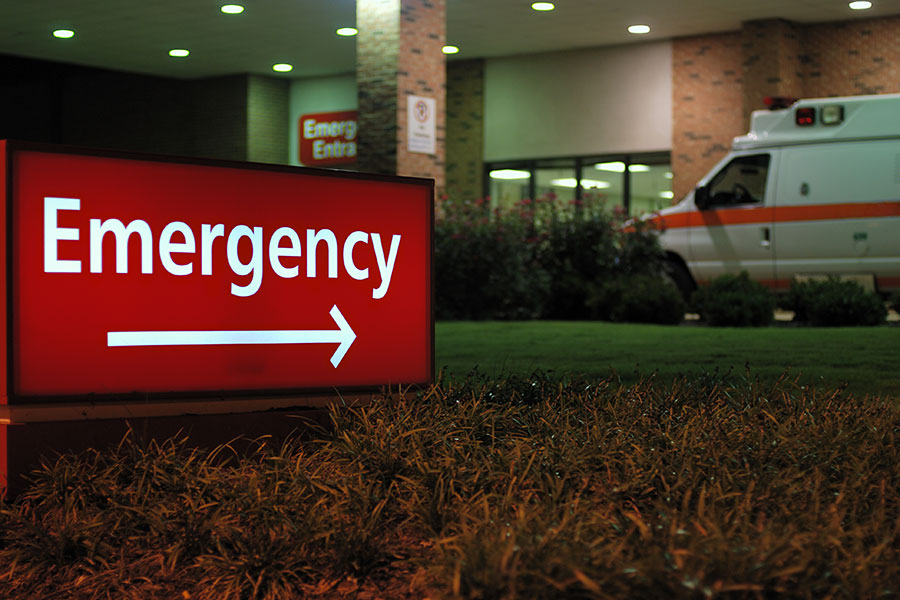
When to go to emergency room (ER)
When you have a serious problem that needs care right away, an emergency room (ER) is the best place to go. ERs are set up to handle problems that may be life-threatening. And ER staff are skilled at giving care that can save lives. Emergencies include problems such as:
- Heart attack or stroke symptoms
- Severe bleeding
- Severe trouble breathing
- Severe pain
Note
Keep in mind that emergency rooms prioritize treating the sickest patients. If you don’t have a true emergency, you may have to wait longer compared to other provider options (and pay more).
Note: Transcarent is an independent company that provides virtual care services on behalf of Premera Blue Cross.