

ER, Urgent, or Virtual Care: When to Go Where
Premera Blue Cross health plan members have access to a variety of levels for care. To get the best care possible, and at the lowest cost to you, know which level to use and when to use them.
Still unsure? Call 24-Hour NurseLine
If you don't believe you have a need for emergency care, you can think about what's most important to you on a case-by-case basis. Sometimes, convenience and speed might drive your decision. In other cases, the cost of care matters most. And in some cases, you may believe it's better to see a health professional who knows you and your history.
Call 855-429-7236.
You can always find the number on the back of your Premera ID card.

First stop for non-emergency care: Primary care
Your primary care provider has the advantage of knowing your health and medicine history. Your doctor may know about your health habits, such as diet and exercise. Your doctor often knows your home, work, and family situation. But the office location or hours may not always work for you. And your doctor may not provide care for something urgent like broken bones or stitches.
To find an in-network PCP, use the Find Care search tool.
Next option: Can’t get a primary care appointment? You have more care options

Virtual care 24/7
Medical care from board-certified providers from Transcarent. Think of virtual care as a convenient way to get care without leaving your home when you can’t get in to see your PCP.

Urgent care: clinics or in-home care
Urgent care centers offer same-day care when your primary care provider (PCP) is unavailable. They typically offer walk-in visits or may accept appointments.
Search for in-network urgent care centers near you in the Find a Doctor tool.
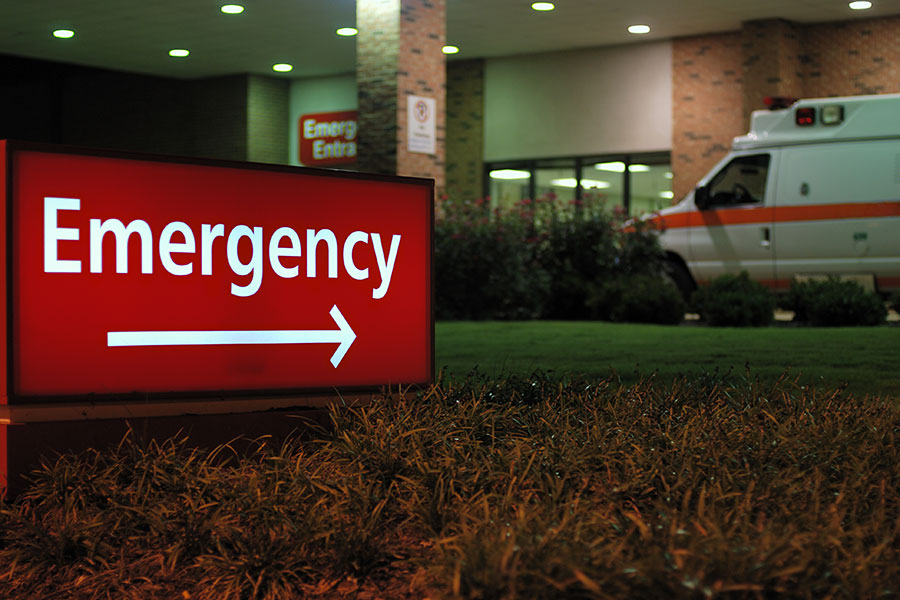
When to go to emergency room (ER)
When you have a serious problem that needs care right away, an emergency room (ER) is the best place to go. ERs are set up to handle problems that may be life-threatening. And ER staff are skilled at giving care that can save lives. Emergencies include problems such as:
- Heart attack or stroke symptoms
- Severe bleeding
- Severe trouble breathing
- Severe pain
Note
Keep in mind that emergency rooms prioritize treating the sickest patients. If you don’t have a true emergency, you may have to wait longer compared to other provider options (and pay more).
Note: Transcarent is an independent company that provides virtual care services on behalf of Premera Blue Cross.